
News
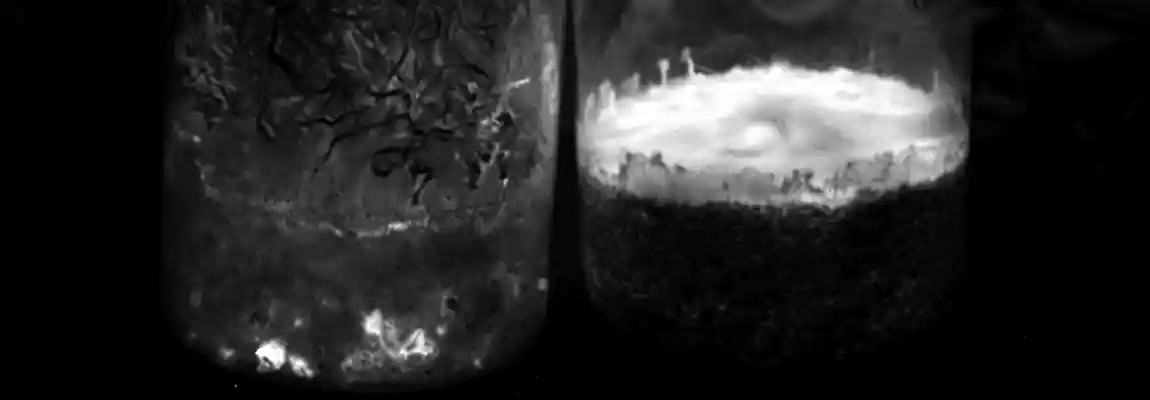
Bioluminescence-Related Applications
Testing bioluminescence imaging using luminescent fungi The LemnaTec PhenoAIxpert ES is dedicated for bioluminescence-related applications. Such bioluminescence naturally occurs in several organisms, such as some fungi, firefly, or marine organisms. However, these naturally bioluminescent organisms usually are not the target of investigation for the PhenoAIxpert ES customers. In [...]

IV CBGP Workshop 2024
LemnaTec participates in the IV CBGP Workshop LemnaTec participates in the IV CBGP Workshop in Madrid, Spain. The Centro de Biotecnología y Genómica de Plantas in Madrid organizes the workshop "New Frontiers in Plant Biology" in April 2024. The meeting takes place 17th to 19th April. LemnaTec [...]

IPPS 2024
LemnaTec at the IPPS 2024 The 8th International Plant Phenotyping Symposium will take place in October 2024 in Lincoln, Nebraska, USA. LemnaTec is going to participate the conference - more information will follow soon. Looking forward to meeting you at IPPS!
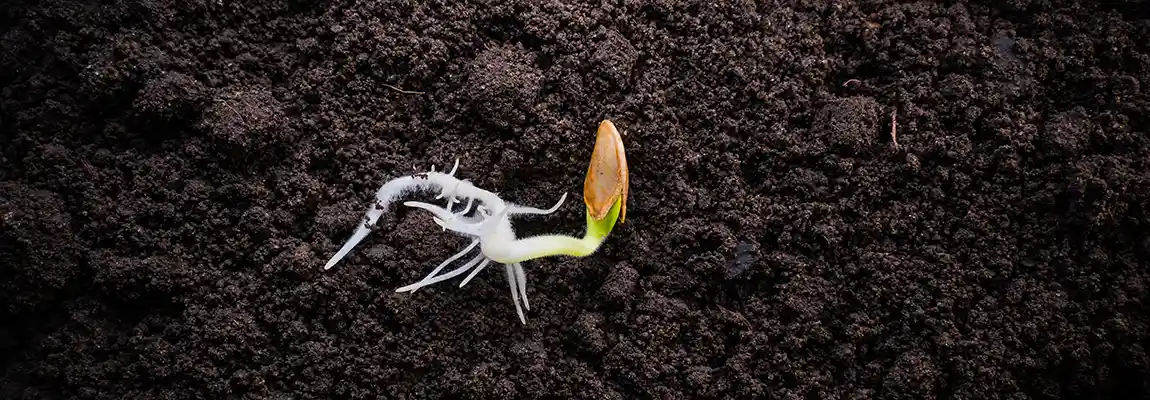
Unlocking the potential of root phenotyping
Unlocking the potential of root phenotyping Root phenotyping opens a window into the intricate world beneath, revealing how plants adapt, grow, and interact with their soil environment. From imaging-based phenotyping technologies to genetic insights, exploring root systems is key to enhancing crop resilience, water supply, nutrient uptake, and [...]
Merry Christmas 2023
Merry Christmas! Dear valued customers, partners and suppliersThe year 2023 has been an exciting and very busy year. I would like to take this opportunity to thank our customers for their trust and our suppliers for the good collaboration. Last but not least, I would like to extend my [...]

Since December, Dr. Ralf Blanke is strengthening our sales team
Since December, Dr. Ralf Blanke is strengthening our sales team We are very pleased to introduce you to our new colleague in sales and contact person for our international customer base. Ralf has a doctorate in analytical chemistry and has been working in technical & scientific sales of research-related [...]
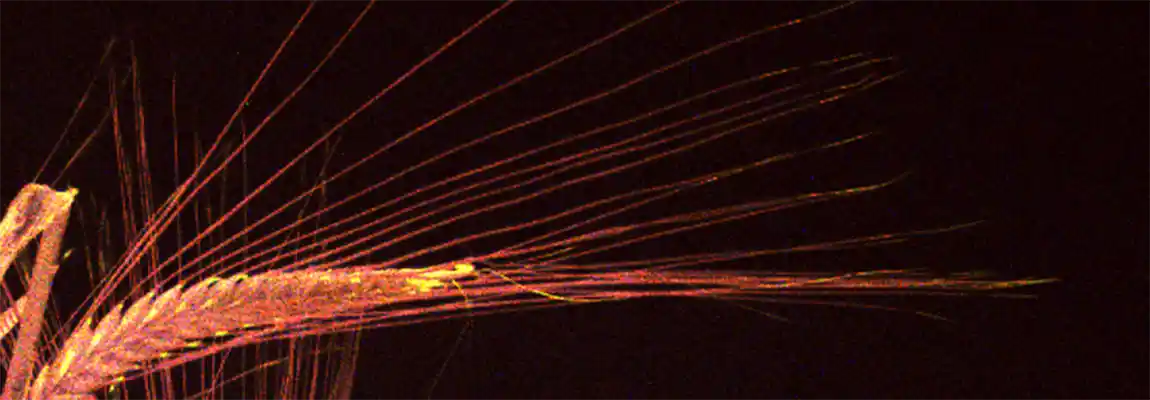
Fluorescence imaging in physiological phenotyping
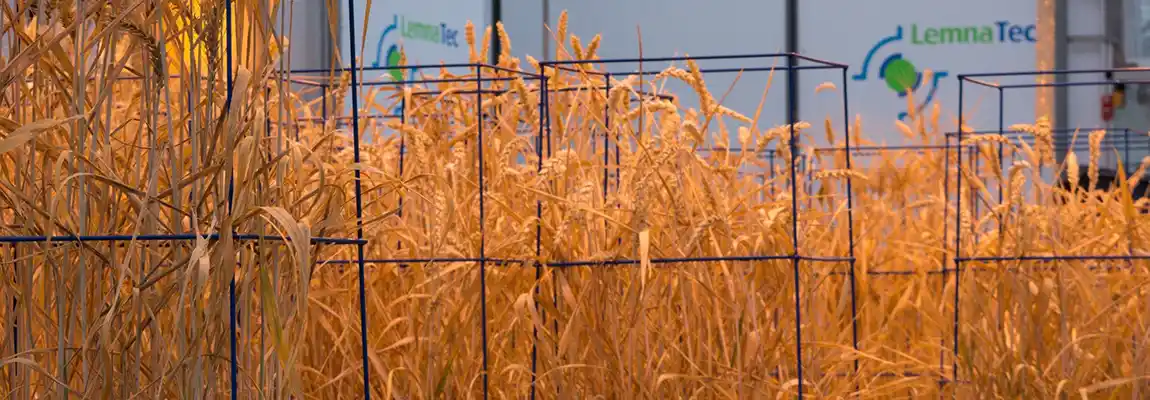
Fluorescence imaging in physiological phenotyping Fluorescence provides access to pigment-related data that are not provided by visible light images. Most prominently, chlorophyll emits fluorescence after excitation by light, but other pigments and breakdown products of chlorophyll can emit fluorescence, too. Chlorophyll causes red fluorescence that dominates the light [...]
Lifecycle phenotyping of plant development
Lifecycle phenotyping of plant development Technology-based phenotyping frequently is limited by sensing capabilities of the cameras, scanners, or other sensors used to obtain information on the samples. For instance, image recording and image processing of growing plants frequently works well for leaves and shoots of young seedlings, but [...]
Why do we phenotype roots, and how can we do this
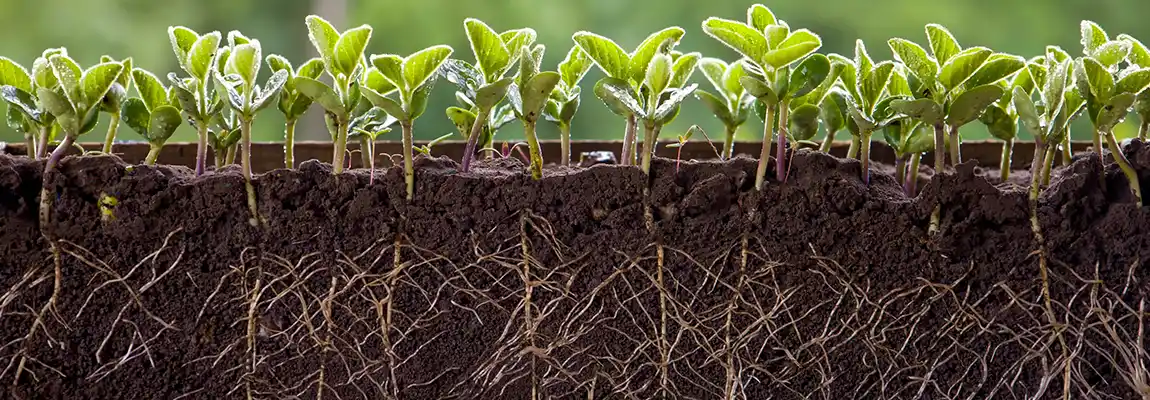
Why do we phenotype roots, and how can we do this? Roots have essential functions in plant biology. They take up water and nutrients from the soil, ensure anchoring the plant in the substrate, and they are interface for the interaction of the plant with soil-living organisms. To [...]
Customer reference: Phenotyping for better clothing
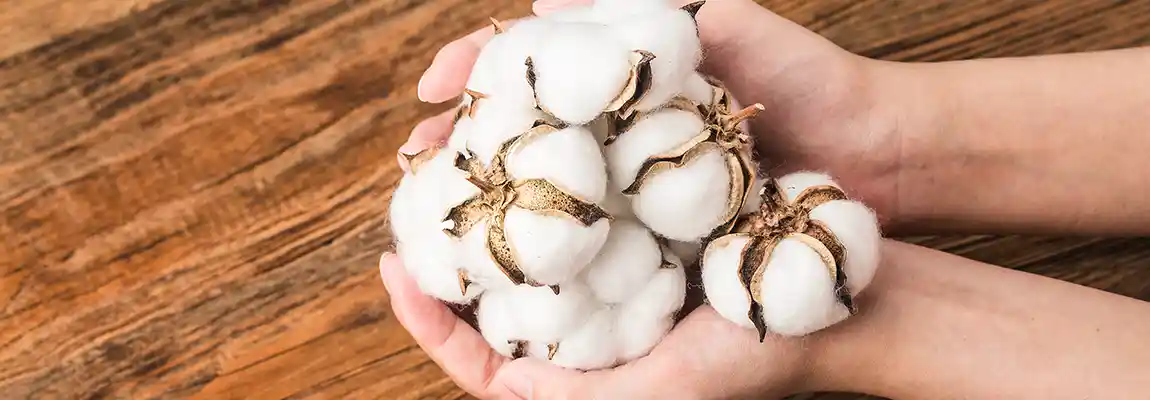
Image by dashu83 on Freepik Customer reference: Phenotyping for better clothing Cotton is one of the most important materials for clothing, and breeding cotton plants has enormous influence on both quality of the material and on the environmental impact of cultivation. Phenotypes matter for both aspects. They [...]
NAPPN Annual Conference 2023
LemnaTec at the NAPPN Annual Conference 2023 Dr. Robert Tietz and Dr. Marcus Jansen attended the NAPPN Annual Conference 2023 at the Donald Danforth Plant Science Center in St Louis, MO, USA in February 2023. LemnaTec presented two scientific posters and had an exhibition table. The conference brought together [...]

Analyzing plant diseases with LemnaGrid
Analyzing plant diseases with LemnaGrid LemnaGrid is LemnaTec’s programming platform for image processing. With a large library of functions many steps in image processing can be programmed on a graphical surface. The advantage of this programming platform is that learning the basic steps is done [...]
New Review Article on Ecotoxicology
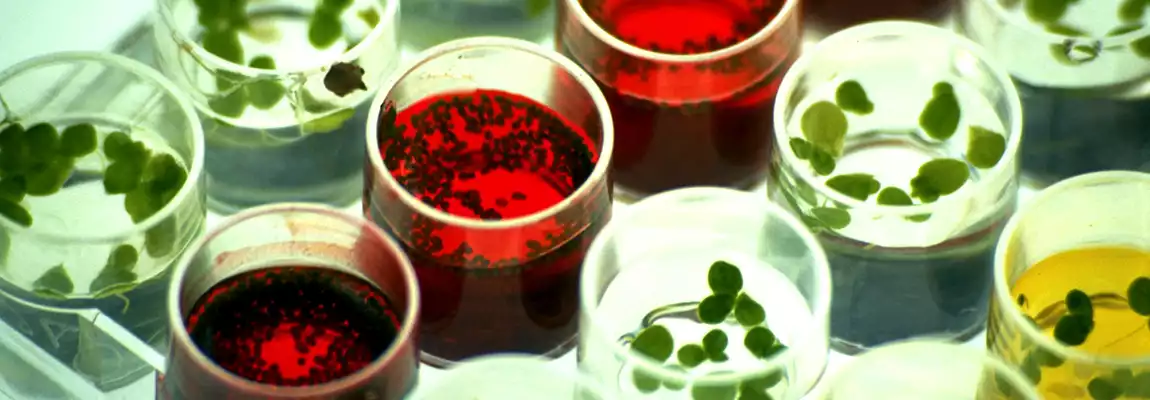
New Review Paper on Ecotoxicology LemnaTec Chief Scientist Dr. Marcus Jansen on the new review article “High-throughput screening paradigms in ecotoxicity testing: Emerging prospects and ongoing challenges” published in Chemosphere recently High-throughput screening paradigms in ecotoxicity testing: Emerging prospects and ongoing challenges Marcus [...]

Book recommendation – High-Throuput Plant Phenotyping
Current Book Recommendation "High-Throuput Plant Phenotyping" by Argelia Lorence and Karina Medina-Jimenez Dr. Marcus Jansen has read the newly published book "High-Throuput Plant Phenotyping" by Argelia Lorence and Karina Medina-Jimenez from the Arkansas State University (USA) for you. Here you can read his opinion. [...]

analytica 2022
LemnaTec at analytica - World's Leading Trade Fair for laboratory technology, analysis, biotechnology and analytica conference June 21–24, 2022 | Messe München Three of the members of the Nynomic group – LemnaTec GmbH, tec5 AG, and Spectral Engines GmbH – will exhibit at the analytica 2022 (booth [...]
7th International Congress on Nematology
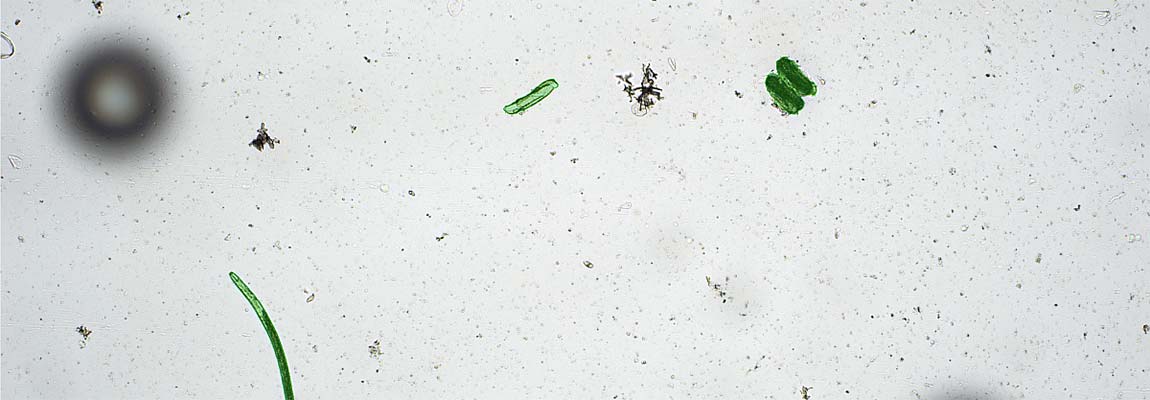
LemnaTec is contributing to a poster at the 7th International Congress of Nematology LemnaTec is contributing to a poster that results from the PheNeSens project together with RWTH Aachen University and the Julius Kühn Institute (JKI). The poster is presented at the 7th International Congress of Nematology [...]
IPPS7 September 2022
LemnaTec will participate the IPPS 2022 Our scientist Dr. Marcus Jansen will attend the 7th International Plant Phenotyping Symposium: "Plant Phenotyping for a Sustainable Future" taking place in Wageningen, The Netherlands, in September 2022. Access the conference web page here
Phenomics Webinar April 2022
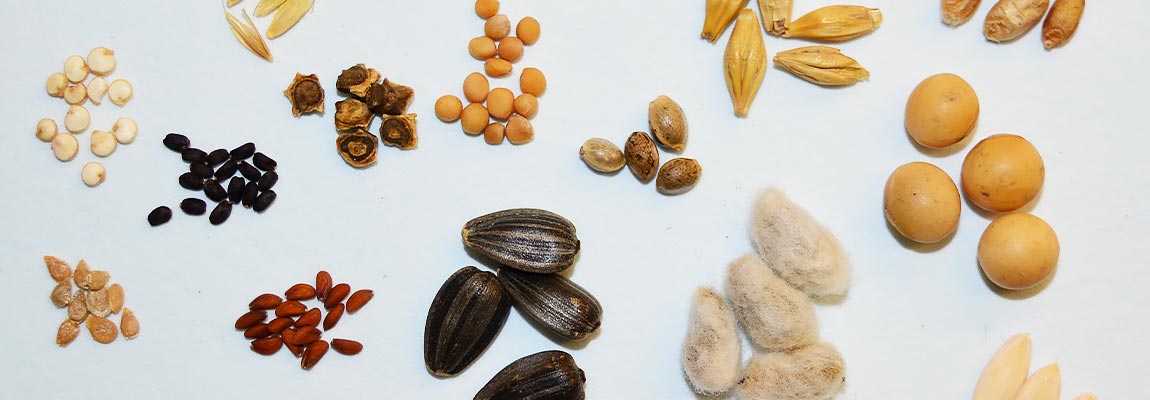
Phenomics Webinar: Artificial intelligence enables new ways in seed quality testing Our scientist Dr. Marcus Jansen will give a webinar on imaging and image processing in seed- and seedling- related applications. The Webinar will take place on April 6th 2022 at 14:00 CEST. Abstract: Seed assessments at [...]
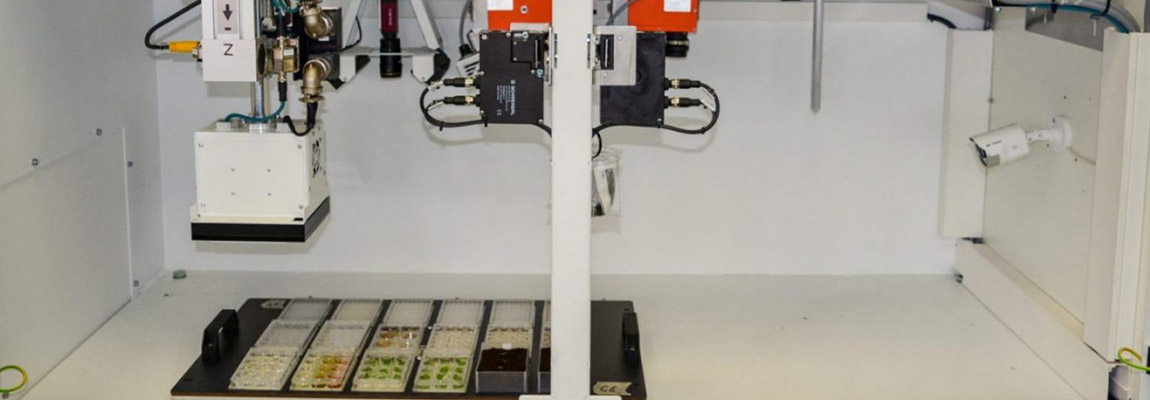
HyperAIxpert presented in BIOspektrum
HyperAIxpert presented in BIOspektrum Our HyperAIxpert was presented in the current BIOspectrum journal. The text in BIOspektrum is in German - we provide the English version here: Automated phenotyping for seedlings and more Enormous technical progress has been made in the quantitative evaluation of phenotypes in recent [...]

LemnaGrid – now with machine learning
LemnaGrid – now with machine learning In LemnaGrid, users can analyze images using pre-defined functions. The advantage is that you can do the programming on a graphical surface, without the demand for command-line programming. So, it is easy to learn, and you don’t need to be a [...]
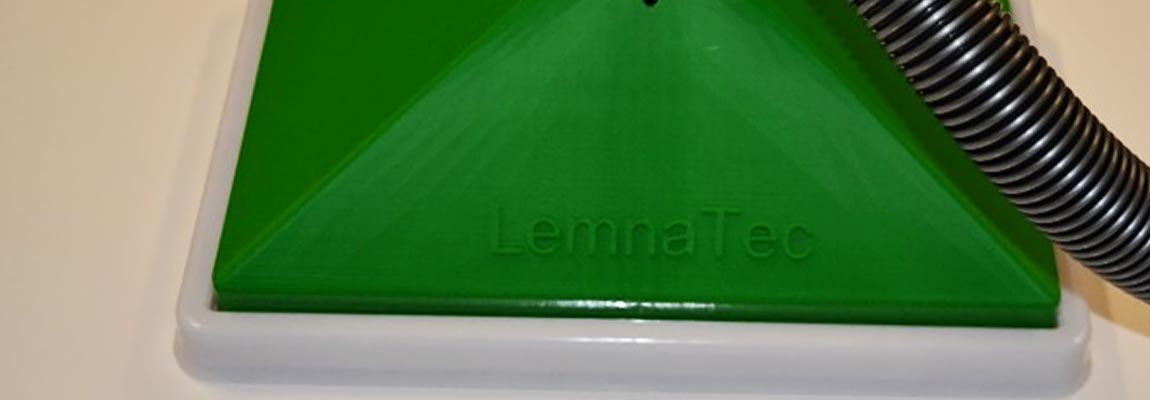
Seed Positioner
Seed Positioner Positioning seeds on trays, both soil-filled and with moist paper, can be laborious. With our vacuum seed positioner, we offer an easy way for placing seeds. The system attaches seeds on a plate where vacuum sucks in air through a series of holes that are [...]
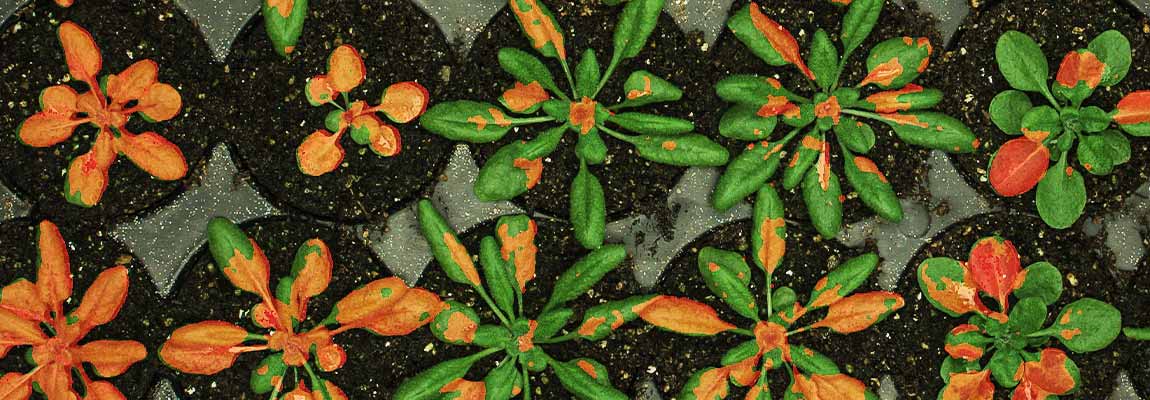
Bioluminescence
Bioluminescence Luminescence can serve as genetic reporter. It can not only label gene products or metabolites, but it can serve to visualize plant-microbe interactions. Researchers at the University of Amsterdam used luminescence labelled Xanthomonas campestris that infect Arabidopsis thaliana plants. The luminescence helps to follow the [...]
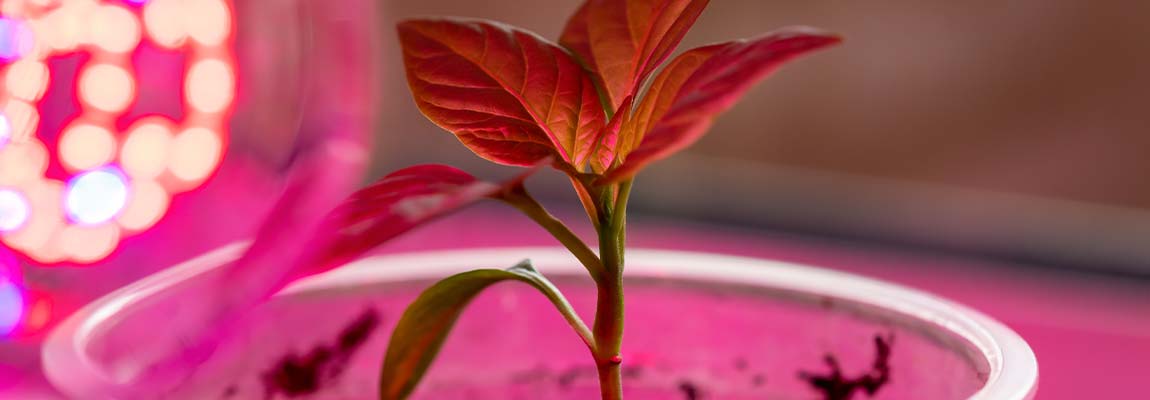
Multispectral Imaging
Phenotyping with multispectral imaging In physiological phenotyping, multispectral channel-wise imaging gives more informative data compared to simple photography. Presence and combination of various biochemical compounds are the main determinant of the plant’s physiological status. As the biochemical properties of the plant’s surface determine optical properties, multispectral imaging [...]
PhenoAIxpert HTC customer installation
PhenoAIxpert HTC Installation at a Leading American University Our new PhenoAIxpert HTC is being installed at a leading University in the USA. They are among the first customers to run this innovative phenotyping system that delivers multi-camera phenotyping at limited footprint. The multi-sensory system enables [...]

Root Phenotyping with LemnaTec Software
Root Phenotyping with LemnaTec Software For plants, roots are as important as shoots are. However, in most cases they are below ground, and thus they are not visible to humans. When considering the plant’s properties, frequently roots are neglected. Despite this, it becomes increasingly important to analyze [...]