
Imaging and image processing have revolutionized various aspects of plant sciences, plant breeding, and the development of plant cultivation products. This reaches from understanding growth patterns to evaluating environmental impacts. In plant phenotyping, these technologies play a pivotal role in assessing plant traits, such as size, shape, and physiological responses, aiding in crop improvement and breeding programs.
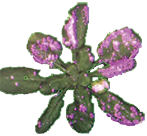
In physiological phenotyping, fluorescence imaging and hyperspectral imaging reveal stress responses, chlorophyll content, and photosynthetic activity, enabling early detection of environmental stressors and their impact on plant health.
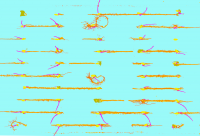
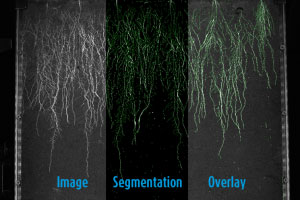
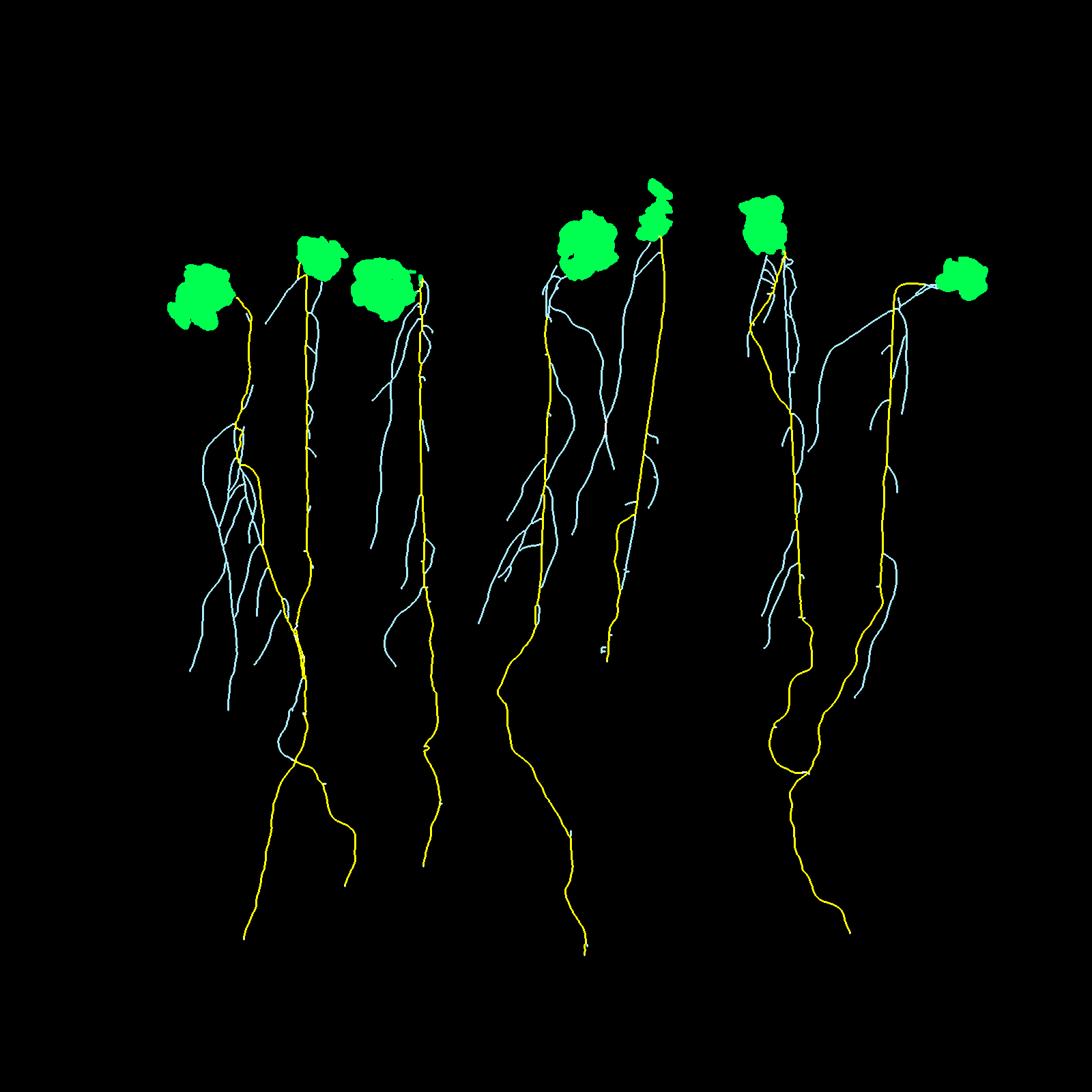
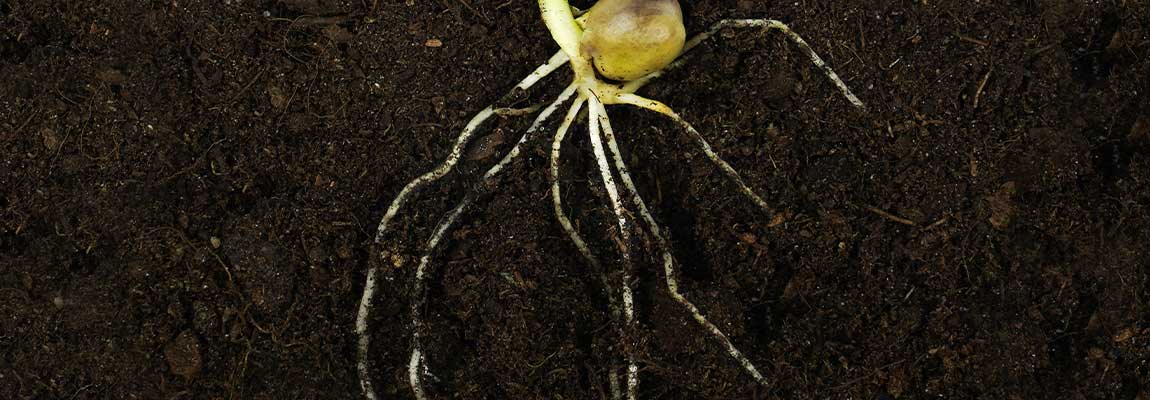
For root phenotyping, imaging techniques enable non-invasive visualization of root structures and root system properties. Image processing algorithms help quantify root architecture, length, density, and explore root-soil interactions crucial for nutrient uptake and plant health.
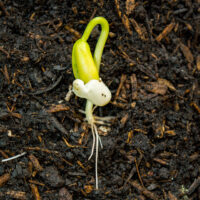
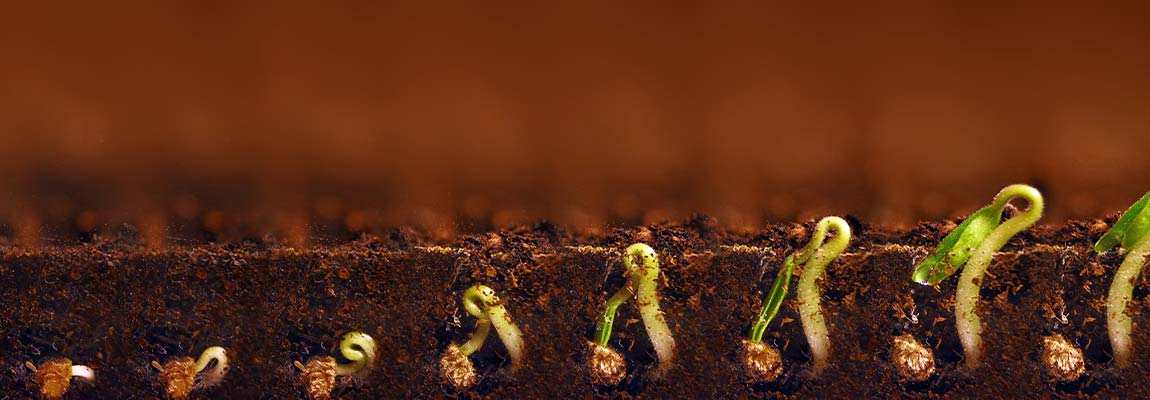
In seed testing, imaging technologies assist in analyzing seed quality, size, shape, and viability. High-resolution cameras coupled with machine learning algorithms provide rapid and accurate assessments, enhancing seed breeding, storage, and germination predictions.
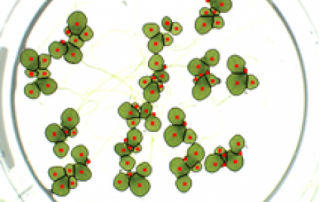
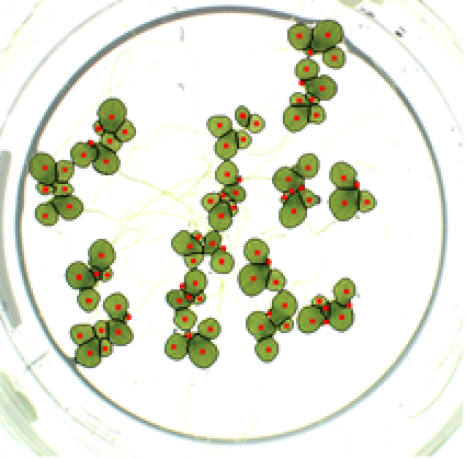
In ecotoxicology, imaging aids in monitoring the effects of pollutants, industrial chemicals, drugs, food additives, or natural compounds on plant growth, morphology, and physiology. In particular the duckweed assay carried out with imaging and image processing is a valuable tool for toxicological tests.
Overall, the integration of imaging and image processing techniques in plant and environmental sciences has propelled research capabilities and development, allowing for precise and non-destructive analysis, fostering a deeper understanding of plant behavior, and facilitating sustainable agricultural practices and environmental conservation efforts.


Background information
How does phenotyping and seed testing work with digital imaging and image processing? How do we apply sensors and cameras to capture plant and seed features? What do our customers report on using our technology in research and development?

Application Cases
Application cases on using LemnaTec imaging and image processing for various tasks – on plants, but also on non-plant organisms.
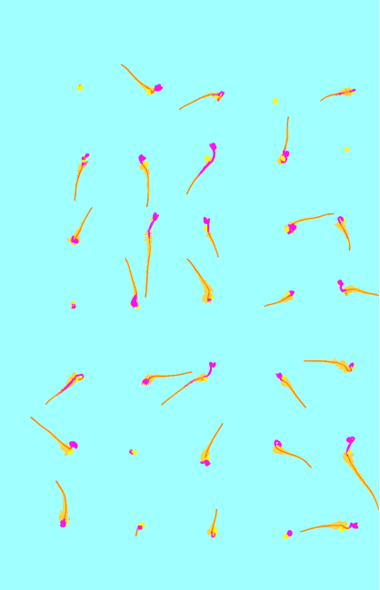
Added value in seed germination testing

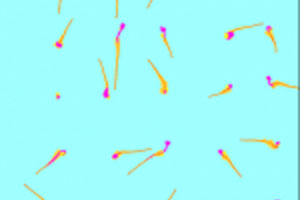
Hemp Germination and Seedling analysis
Hemp Germination and Seedling analysis Germination is a critical step in [...]

Added value in seed germination testing
Added value in seed germination testing Rice germination dynamics of five cultivars – [...]

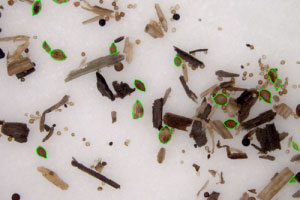
Seed counting
Automated Seed Counting Counting seeds is a task that is required on [...]

Petri dish growth assays – documenting and phenotyping
A common practice in laboratory tests, e.g. when studying functions of mutations, is growing [...]

Vegetable seed germination assay
Seed quality is of highest importance, and germination is the most prominent key factor [...]
Bioluminiscence
Morphological Plant Phenotyping

Phenomics-Assisted Breeding with LemnaTec Scanalyzer
As climate change makes conditions for agriculture more adverse, plant breeding must speed up [...]

Automated growth stage determination with Rothamsted Field Scanalyzer
Current phenotyping technology fulfills tasks that are congruent with many “classical” measurements in agronomy [...]

Phenotyping – to measure the inaccessible
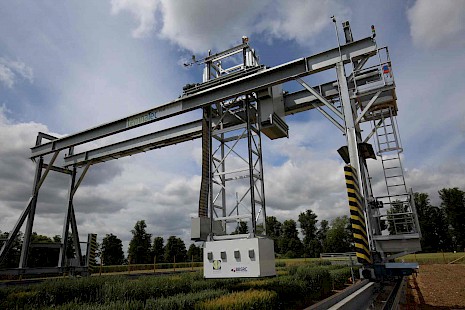
Researchers at Rothamsted operate the LemnaTec Field Scanalyzer to phenotype wheat crops. The machine [...]

Phenotyping for improved biomass
When growing plants for bio-energy, it is highly desirable to avoid any competition with food [...]

Root Phenotyping with LemnaTec Software
Root Phenotyping with LemnaTec Software For plants, roots are as important as [...]
Physiological Phenotyping
Brassica heat and drought phenotyping
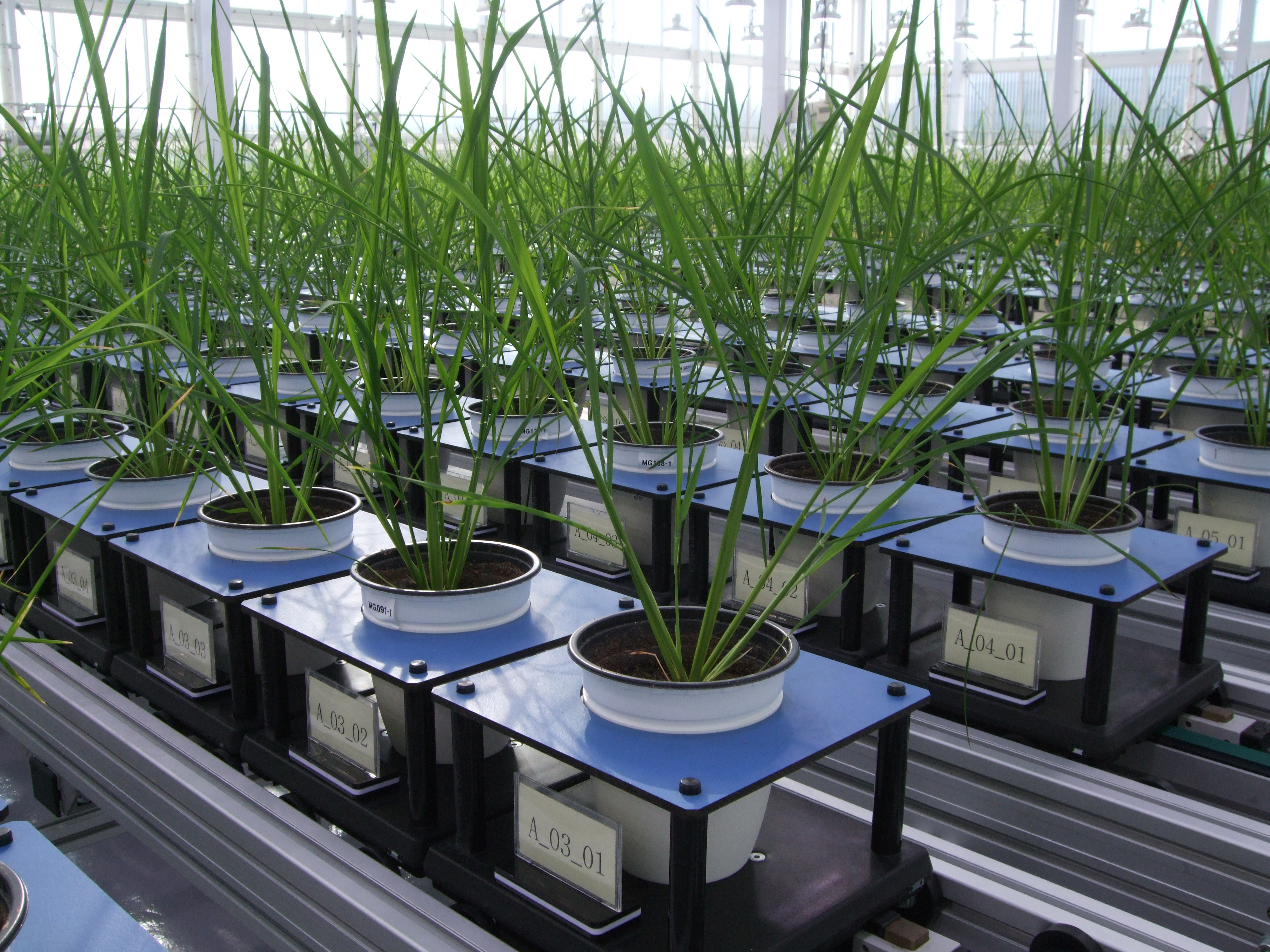
A LemnaTec Scanalyzer at work: Environmental stresses frequently occur in combination, particularly the combination of [...]

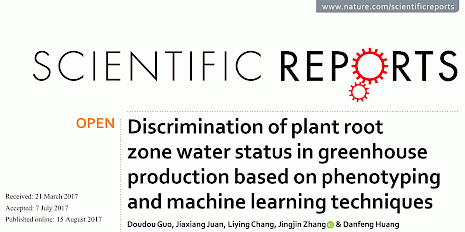
Shanghai Jiao Tong University tested responses to root zone water availability
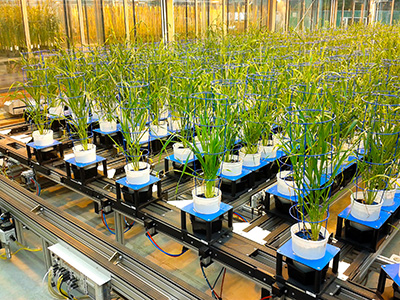
Researchers of the Shanghai Jiao Tong University used a LemnaTec Greenhouse Scanalyzer to assess the impact [...]

Desert tomato plants grow at minimal water availability
Wild relatives of crops frequently are more resistant to environmental stress factors than modern [...]

Water stress trials at Arkansas State University
Using an HTS Scanalyzer with RGB-, NIR-, and fluorescence cameras, researchers generated 4320 images of [...]

Multispectral Imaging
Phenotyping with multispectral imaging In physiological phenotyping, multispectral channel-wise imaging gives more [...]
Reliable data in toxicology




Phytotoxicity Test in the Development of Ecofriendly Pesticides
In the current debate on pesticides causing environmental damage, the search for ecofriendly pesticides [...]